
VolumeHedger EA MT5 Review: Signals, Settings and Recovery Risk
VolumeHedger EA MT5 is a configurable hedging and recovery engine for gold, Bitcoin and other instruments. It lets traders combine indicator entries with their own position limits and lot sequences. That flexibility is its strongest feature—and the reason two VolumeHedger accounts can behave very differently.
Our view: appealing for traders who want to test and manage custom strategies, but a poor fit for anyone expecting a low-maintenance robot with uniformly small losses. The public accounts show meaningful trading history and profits alongside material drawdowns. Recovery sizing, broker conditions and the exact preset deserve more attention than the growth headline.
View VolumeHedger EA MT5 and current pricing.

Evidence checked 13 September 2026: official listing, release notes, public guide, current preset archive, two linked MQL5 accounts and selected buyer feedback. This is a source-based review; we have not independently traded or reproduced these results. CheaperForex sells this product.
How the recovery loop works
An initial manual or indicator entry starts a sequence. If price moves against it, the configured system can reverse direction and increase the next trade’s size in an attempt to recover previous losses. Repeated reversals are the difficult case: position exposure builds until the sequence exits or reaches its limit. A position cap bounds the intended sequence, not the percentage of your account that is safe to lose.
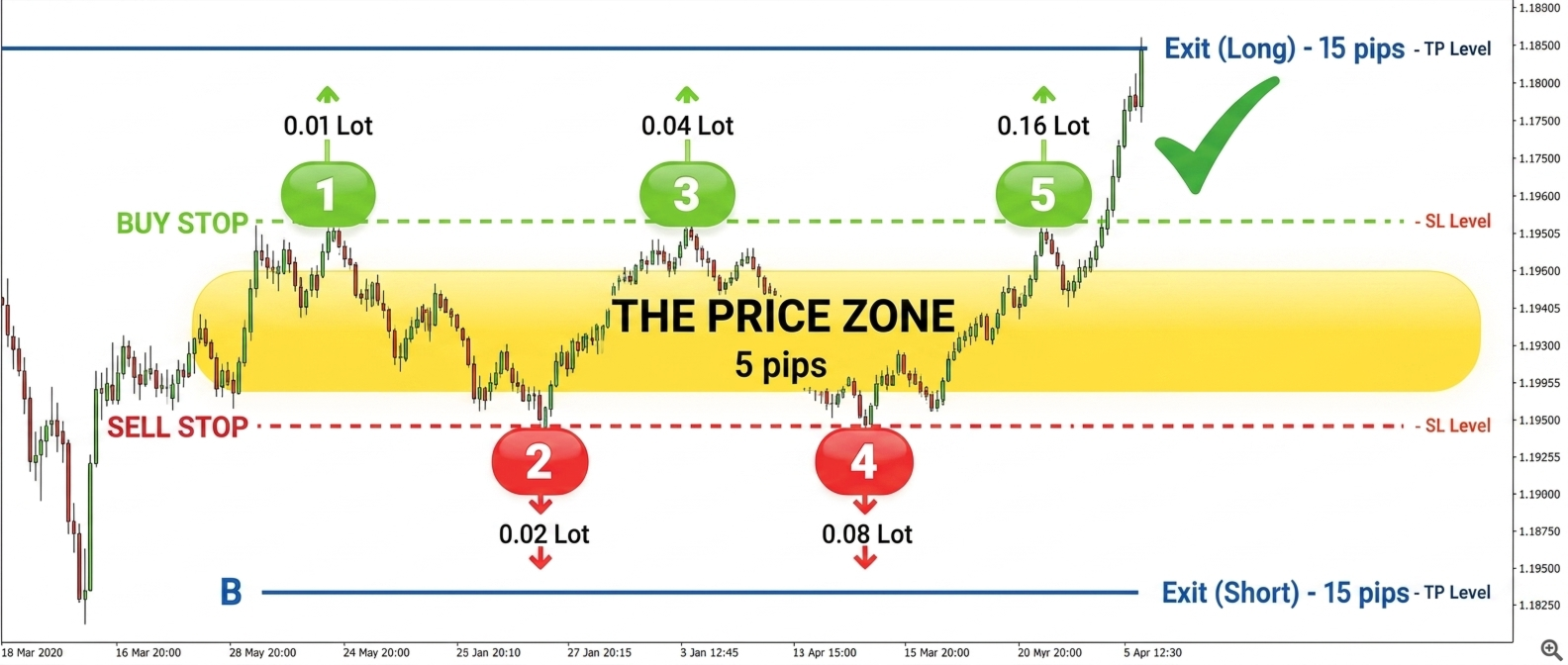
The lot sequence is configurable. Equal sizing removes the martingale increase; limiting the system to one position removes the recovery chain. Those are different configurations with different results. The PositionMultiplier can duplicate positions rather than simply increase one order’s lot size, but total exposure still increases.
Two public accounts, two different risk profiles
Both linked accounts were labelled real accounts on PUPrime-Live2, MT5, 1:500 when checked. They are useful evidence of particular configurations, not a guarantee that the current build or a buyer’s broker will match them. Growth, deposits and withdrawals must be kept separate.
Main VolumeHedger account
- Growth
- 537.54%
- History
- 57 weeks displayed; monitoring started 18 August 2025.
- Trading
- 696 trades; 551 BTC trades and 145 XAUUSD.s trades. Profit factor 1.46.
- Drawdown
- Relative balance drawdown 39.50%; relative equity drawdown 22.30%. MQL5 separately reports maximal balance drawdown as $742.12 (43.57%).
- Cash movements
- $300 initial deposit, $1,077.31 further deposits, $2,002.67 withdrawals; displayed trading profit $2,361.71.
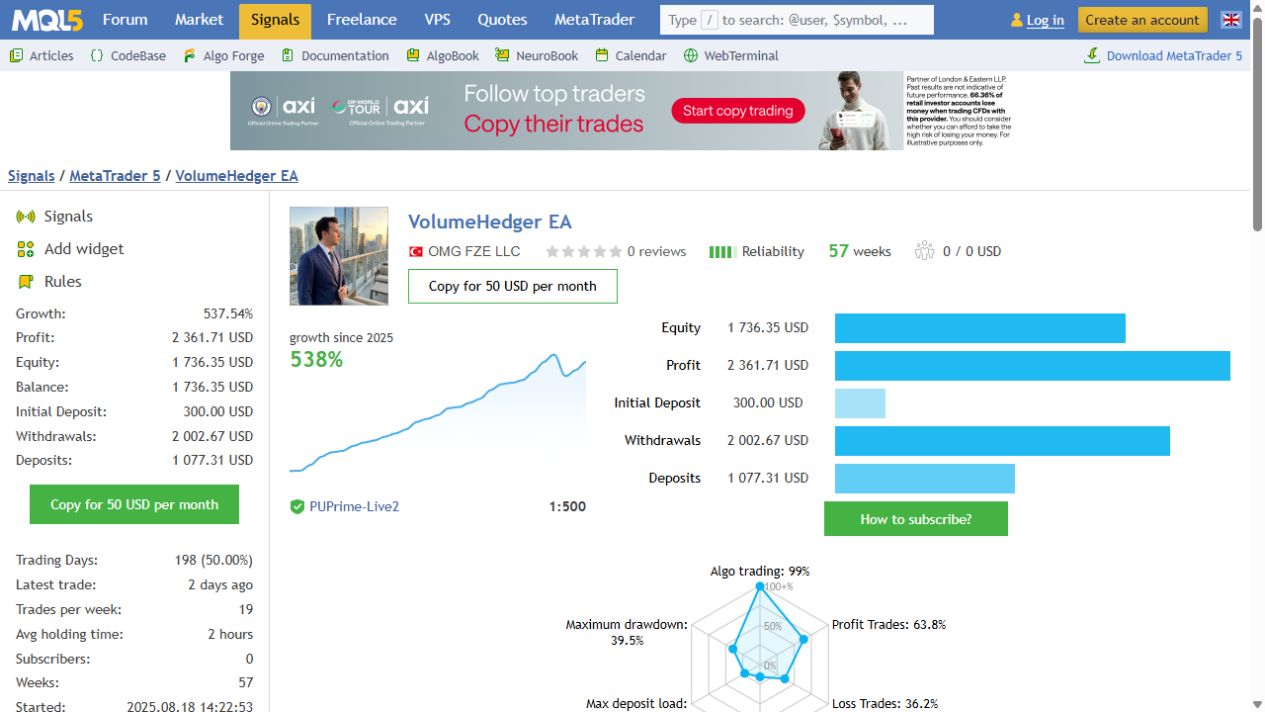
The headline growth is substantial, but this is not a smooth low-drawdown record. August 2026 was −9.29%, and the account was down over the latest 30-day window at our check. Most trades were Bitcoin, so this account should not be presented as proof of a gold-only preset. The balance and equity drawdown percentages use different measurements; selecting only the smallest one would understate the account’s history.
VolumeHedger RVI account
- Growth
- 112.59%
- History
- 34 weeks displayed, but MQL5 monitoring began 2 June 2026. Earlier trading history predates monitoring.
- Trading
- 282 XAUUSD.s trades; profit factor 1.51.
- Drawdown
- Relative balance drawdown 9.87%; relative equity drawdown 10.97%.
- Cash movements
- $1,200 initial deposit, no additional deposits and $887 withdrawals; displayed trading profit $950.40.
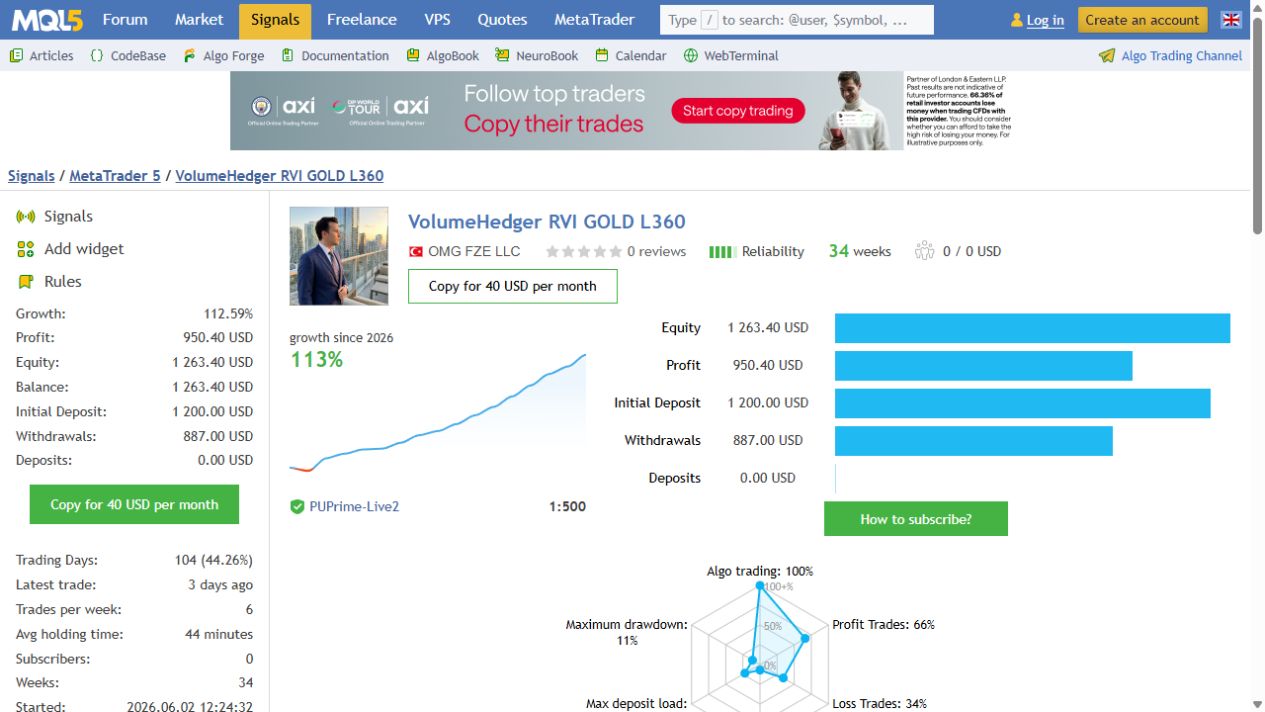
This is the more focused gold example and had a smaller observed drawdown. It also has a shorter monitored record. Do not combine its drawdown with the main account’s growth: they are different accounts. Nor does a displayed 34-week trading history mean all 34 weeks were observed live by MQL5.
Why the settings matter so much
The public guide is labelled version 9, while the current product listing is 10.1. It remains useful for understanding the controls, but the current release notes and preset revisions take precedence where behaviour changed.
- RiskLow is not a smaller loss ceiling. The guide describes an extra recovery position. It may let some sequences recover, but a failed sequence can lose more and need more capital.
- Minimum balance is not maximum loss. Margin requirements, the complete lot sequence and exposure across other charts all matter. The developer’s $750 default example is specific to its stated broker/setup, not a universal minimum.
- Multiple sets are not independent capital. Allowed/blocked magic-number lists help sequence entries; they do not create a global drawdown limit or guarantee that losing positions cannot overlap.
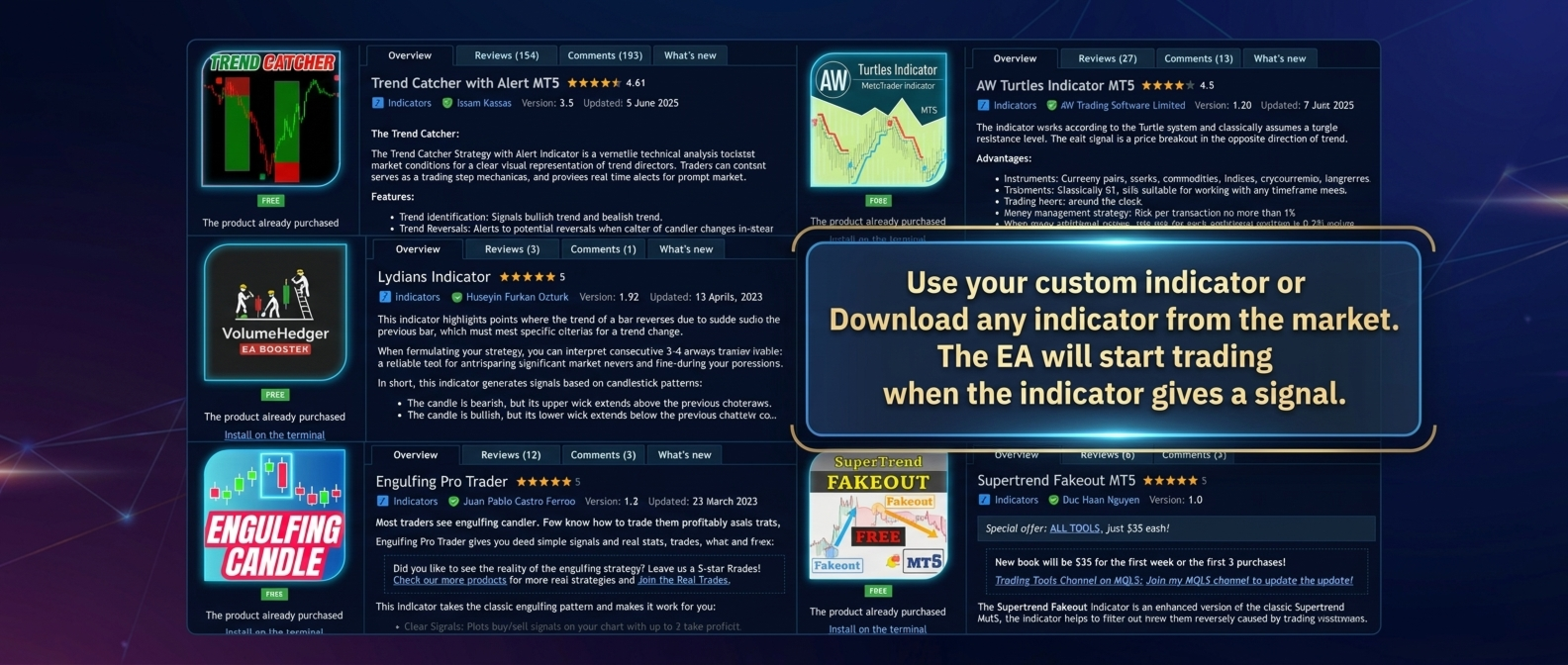
- Custom indicators add dependencies. Check the correct indicator, path, buffer and inputs. Some are free; others, including the developer’s optional AI ML indicator, are separately paid products.
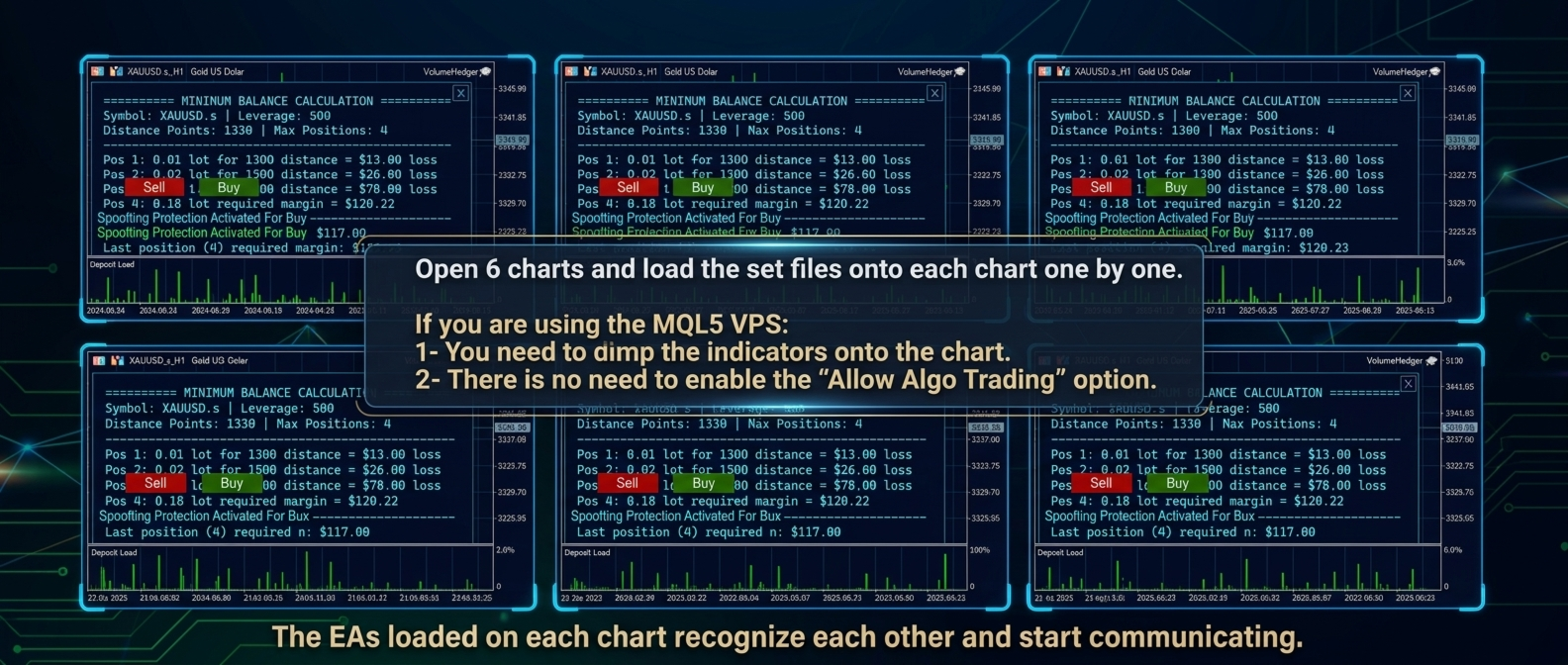
The 10 September 2026 comments describe a Diagonal preset correction because a value behaved differently in the tester and live trading. That is a concrete reason to forward-test a fresh preset rather than assume an attractive historical curve will repeat. The current archive also removes older files to reduce confusion.
Sources: public version-9 guide (ZIP), current developer preset archive (ZIP) and latest developer comments.
Execution controls: helpful, with limits
Spread checks, slippage adjustments and swap-aware targets address real trading costs. Version 10.1 adds an order-confirmation lock intended to prevent duplicate orders during delayed broker responses. That is an execution fix, not a promise of identical fills across brokers.
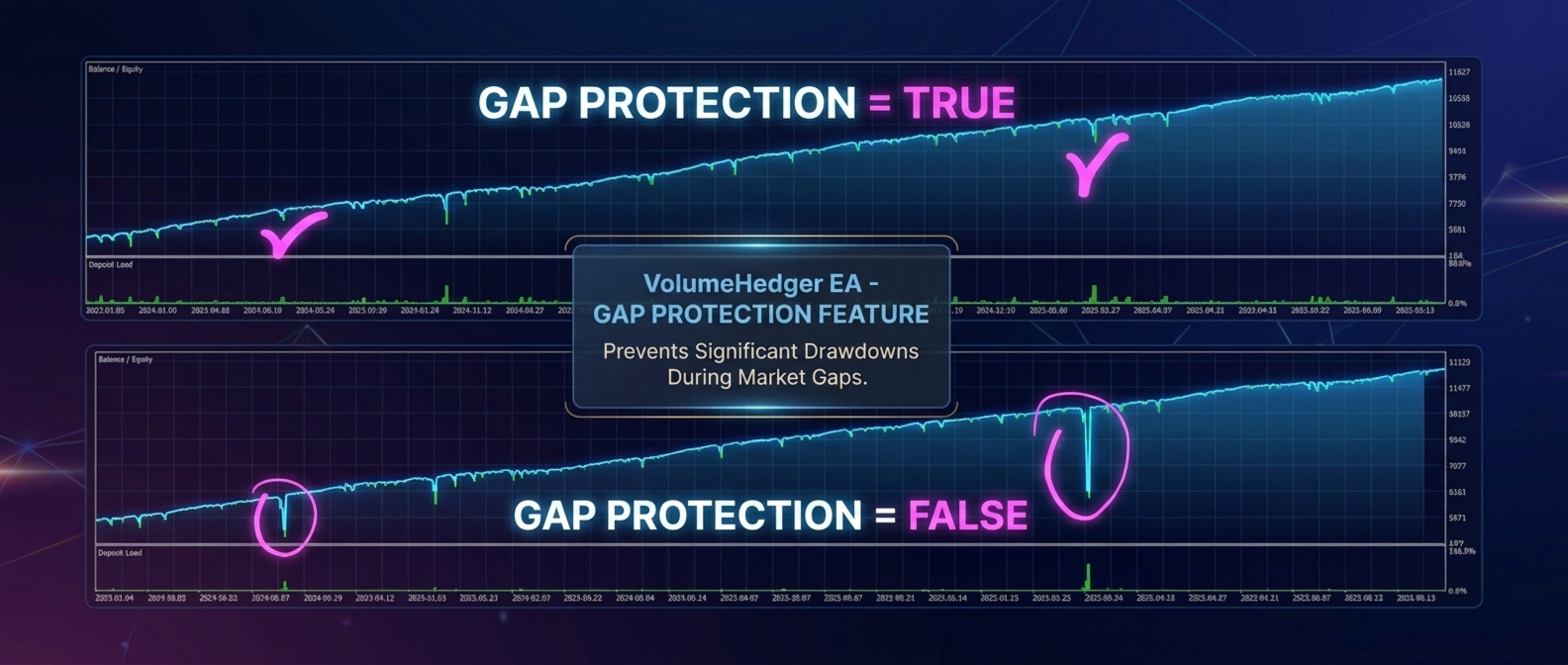
The feature called “Spoofing” hides the actual take-profit and relies on terminal-side management. It increases the importance of keeping the terminal connected. Weekend hedging and release rules are also sensitive to broker timing. The bank-holiday filter is not the same thing as a live high-impact economic-news filter; the August comments include a user asking for additional news protection after losses.
What the customer reviews say
MQL5 displayed 56 reviews and a 4.86/5 aggregate on 13 September 2026. Those are MQL5 ratings, not CheaperForex verified-purchase reviews. The overall score is favourable, but the written feedback is more mixed than the number alone suggests.
Recent positive feedback praises indicator flexibility, responsive development and support. Alex_47’s August review focuses on adapting strategies; July feedback mentions quick attention to BTC behaviour. Kraig Cutler’s June review makes a useful practical point: users need to learn the setup rather than simply switch the EA on.

The excerpt above is from Celal Yazici’s June review, which describes dissatisfaction with results and setup support. The developer disputes aspects of that account. Other critical feedback includes a January report of substantial losses and an edited review that became less favourable after further use. These reports are not independently verified, and settings, broker conditions and manual intervention differ between users.
Our takeaway is that positive feedback supports the product’s flexibility and active development, but does not erase recovery risk. Read the full exchanges and later edits, not just the initial star rating. Read VolumeHedger’s MQL5 reviews.
Developer backtests and strategy illustrations
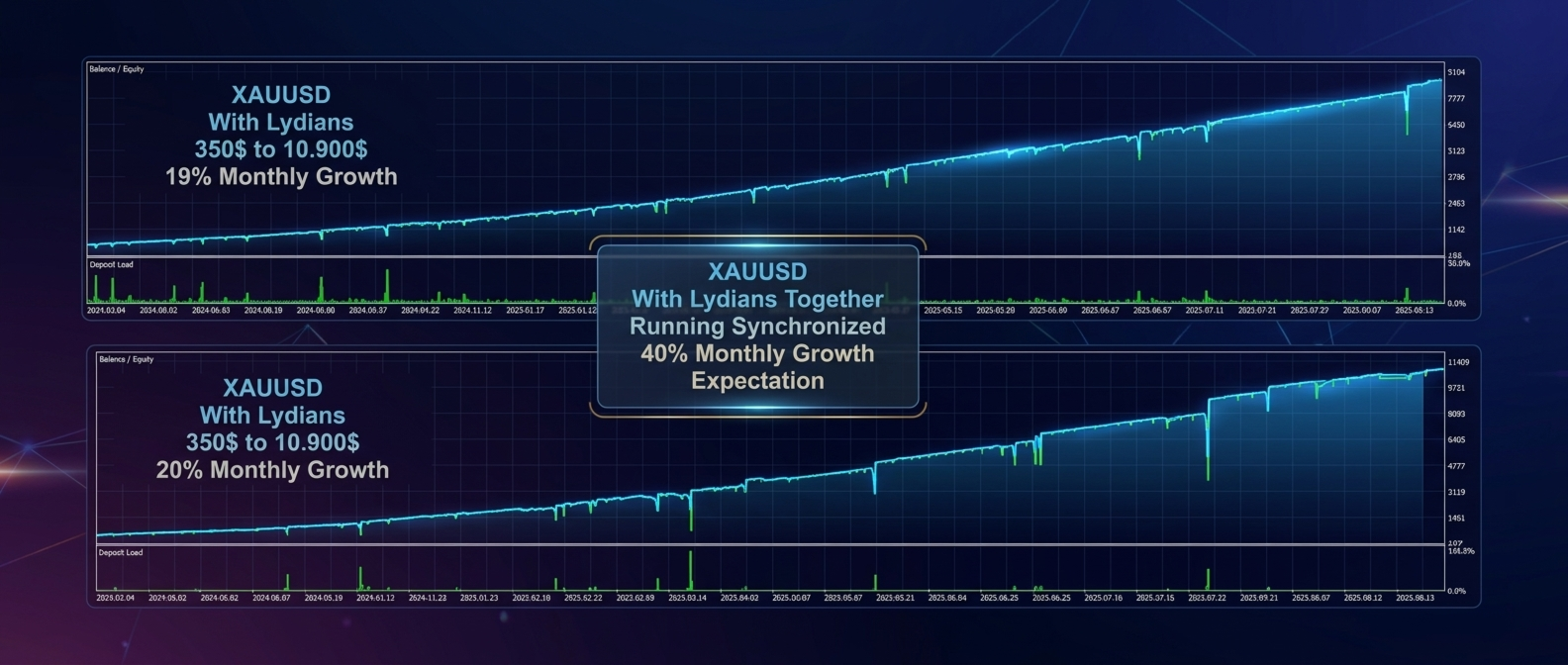
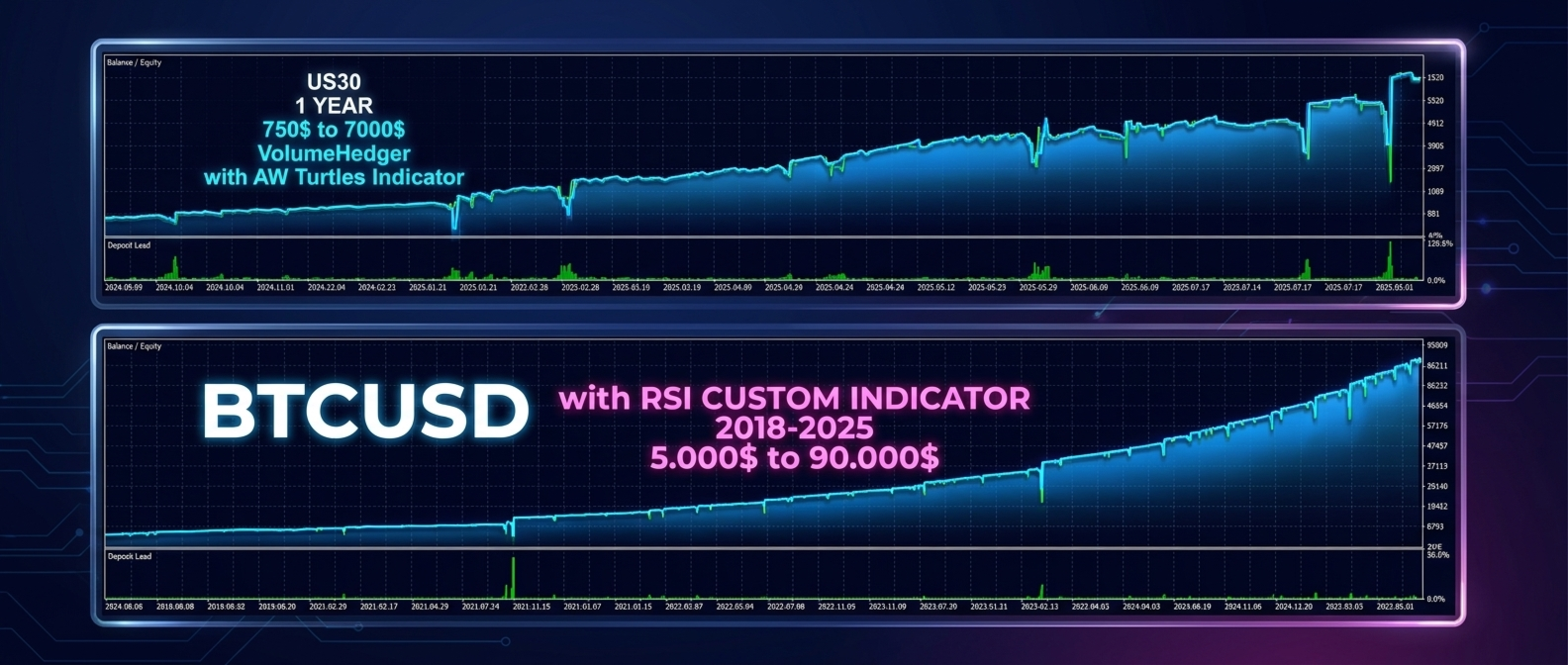
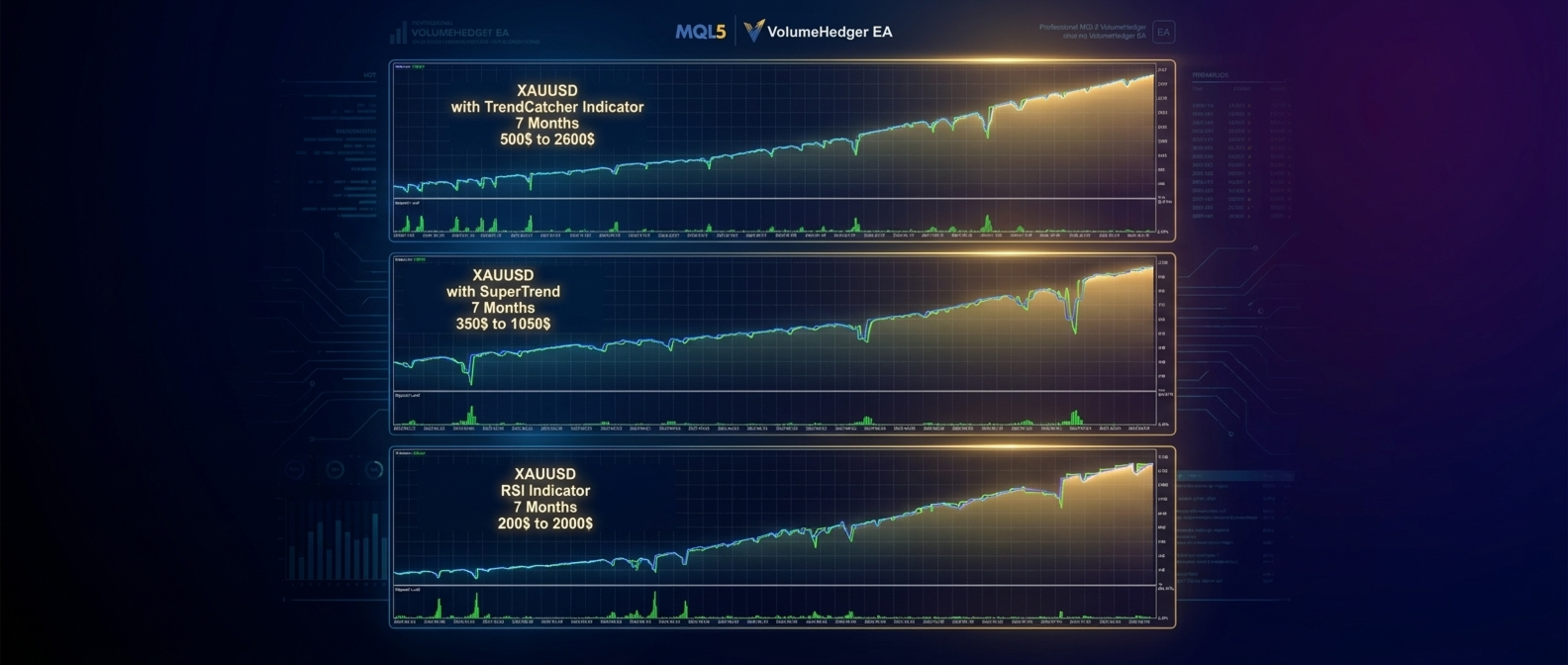
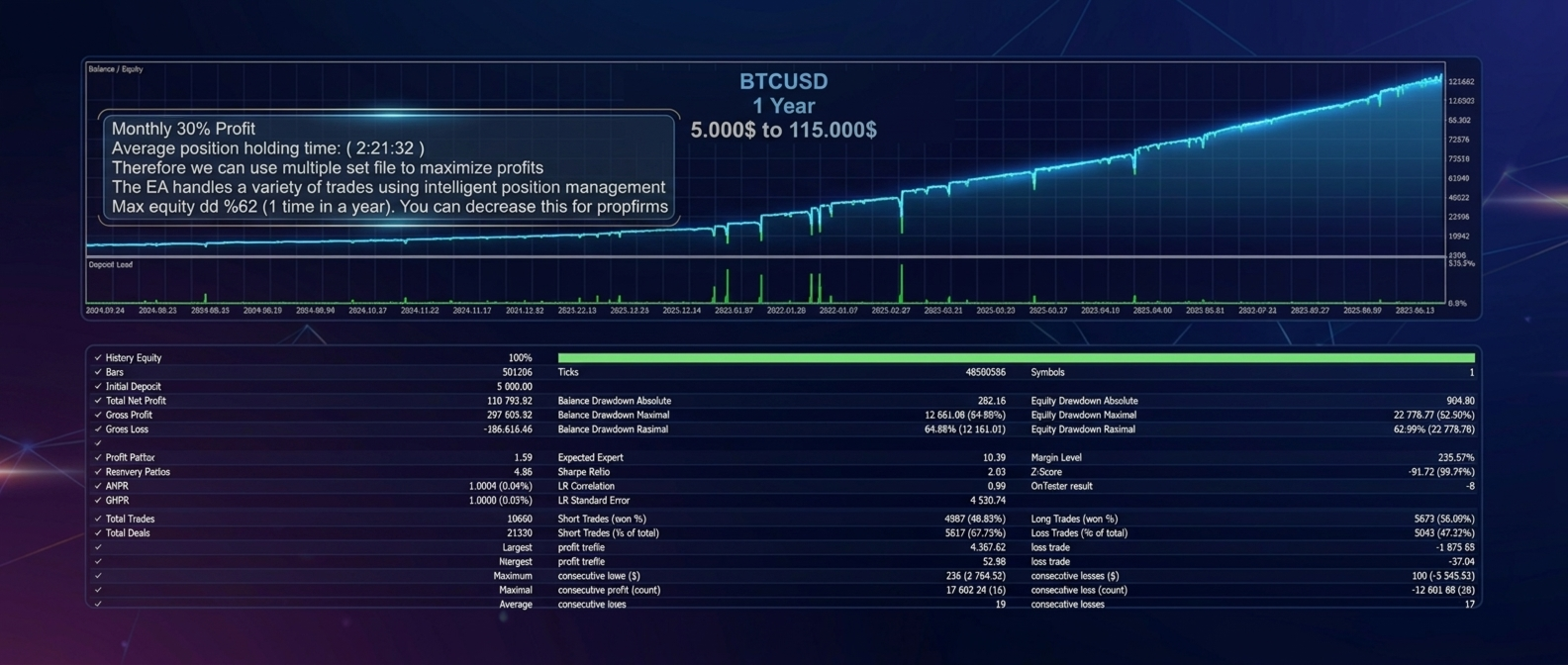
The images below show the breadth of configurations promoted by the developer. They are historical tests and illustrations, not additional live accounts. Their return labels are developer claims; we have not reproduced the tests or established that every illustrated preset matches the current archive. Commission, spread, data quality and forward performance can change the result.
Gold, silver, index and Bitcoin examples — expand images
Who is VolumeHedger best suited to?
It is most relevant to experienced MT5 users who want control over entries and trade management and can evaluate a complete losing sequence. The range of indicator choices is useful, but it creates more testing and maintenance work than a single fixed strategy.
We would not choose it on the assumption that hedging removes risk, that “RiskLow” guarantees a small drawdown, or that a funded account will accept the strategy. Check the firm’s current rules and loss limits before using any recovery preset. The developer’s separate funded-account article is a broad opinion piece, not certification of this EA for a particular firm.
For another product from the same developer, see HFT Spike EA MT5 and our HFT Spike review. They are separate strategies; VolumeHedger’s signal results should not be attributed to HFT Spike.
Verdict: a capable strategy-building and recovery toolkit with genuine public trading records, but meaningful tail risk and configuration dependence. Judge the full loss sequence and recent forward behaviour before putting weight on a backtest’s growth curve.
View VolumeHedger EA MT5 pricing and product details.
Further sources: official listing, release notes, developer strategy guide and developer funded-account article. Trading can lose capital; past results do not establish future returns.